
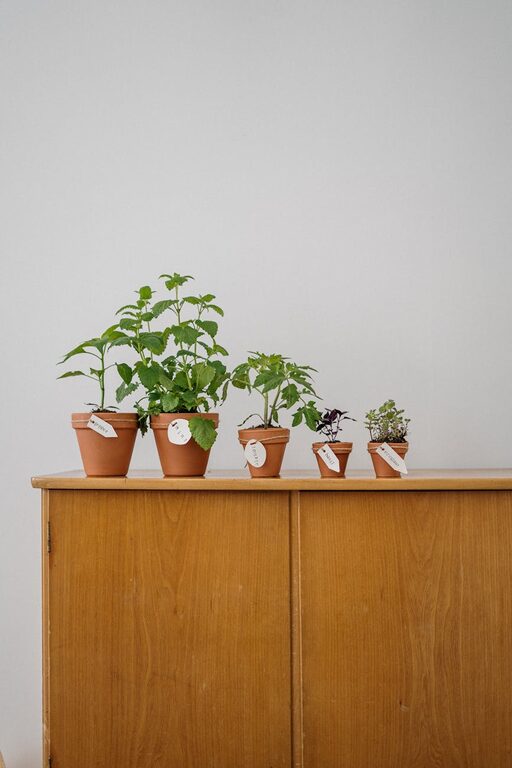
Starting a small herb garden indoors is a rewarding and practical way to bring fresh flavors to your cooking while brightening up your living space. Whether you have limited outdoor space or want fresh herbs all year round, indoor gardening offers a convenient solution. This guide will walk you through everything you need to know to create a thriving indoor herb garden.
Why Grow Herbs Indoors?
Growing herbs indoors provides several benefits:
– Access to fresh, aromatic herbs anytime.
– Adds greenery and improves indoor air quality.
– Saves money on buying herbs at the store.
– Suitable for small spaces or apartment living.
– Easy and enjoyable hobby for all skill levels.
With the right setup and care, even beginners can successfully grow a variety of herbs inside.
Choosing the Right Herbs for Indoor Gardening
Not all herbs thrive indoors, so it’s important to pick varieties that adapt well to indoor conditions. Some popular indoor herbs include:
– Basil: Needs plenty of sunlight and warmth.
– Mint: Grows quickly and can handle less sun.
– Parsley: Prefers intermittent sunlight and consistent moisture.
– Cilantro/Coriander: Likes cooler, bright locations.
– Chives: Hardy and low maintenance.
– Thyme: Thrives in bright light and well-drained soil.
– Oregano: Prefers warm, sunny spots.
Start with a few herbs that you frequently use in cooking or those recommended for beginners like mint or chives.
Selecting Containers and Soil
Containers
Choose pots that have good drainage holes to prevent waterlogging, which can cause root rot. Options include:
– Clay or terracotta pots (allow soil to breathe)
– Plastic pots (retain moisture longer)
– Recycled containers with drainage holes added (eco-friendly option)
Consider the size of the mature herb plant: basil or mint may need larger pots, whereas chives or thyme can thrive in smaller containers.
Soil
Use a lightweight, well-draining potting mix formulated for herbs or indoor plants. Avoid garden soil, which can be too dense for pots. A good mix often contains ingredients like peat moss, perlite, and vermiculite to promote drainage and air circulation.
Finding the Perfect Spot Indoors
Herbs need sufficient light to grow:
– Aim for a south- or west-facing window that receives at least 6 hours of sunlight daily.
– If natural light is limited, consider a grow light designed for plants.
– Keep herbs away from drafty windows, heaters, or air conditioners that can dry out the plants.
Rotate pots every few days to ensure even growth on all sides.
Planting Your Herb Garden
Starting from Seeds or Seedlings
– Seeds: More affordable and offer a wider variety. Start seeds in seed trays or small pots. Keep the soil moist and warm until germination.
– Seedlings/Starter Plants: Easier and faster for beginners. Transplant carefully to your chosen pots, reusing soil or fresh potting mix.
Planting Steps
- Fill your container with potting mix, leaving about an inch below the rim.
- For seedlings, gently loosen roots and plant at the same depth as in the original container.
- For seeds, follow the depth instructions on the seed packet.
- Water the soil lightly to settle it around roots or seeds.
Caring for Your Indoor Herb Garden
Watering
– Keep the soil moist but not soggy. Overwatering can lead to root rot.
– Water when the top inch of soil feels dry to the touch.
– Use pots with drainage to avoid standing water.
Light
– Ensure herbs get adequate sunlight or use LED grow lights if natural light is lacking.
– Too little light results in leggy, weak plants.
Temperature and Humidity
– Most herbs prefer temperatures between 65°F and 75°F (18°C to 24°C).
– Moderate indoor humidity is fine; avoid overly dry or drafty rooms.
Fertilizing
– Use a balanced, water-soluble fertilizer every 4-6 weeks during the growing season.
– Avoid over-fertilizing, which can affect the flavor and growth.
Pruning and Harvesting
– Regularly pinch or trim herbs to promote bushier growth and prevent flowering.
– Harvest leaves from the top, using scissors, taking no more than one-third of the plant at a time.
– Remove any yellow or dead leaves promptly.
Troubleshooting Common Problems
– Leggy herbs: Too little light; move closer to a window or install grow lights.
– Yellowing leaves: Overwatering or poor drainage; reduce water and check drainage.
– Browning tips: Too much direct sun or underwatering; adjust light and water accordingly.
– Pests: Watch for aphids, spider mites, or whiteflies. Wipe leaves with mild soapy water or use insecticidal soap if needed.
Tips for Success
– Start small and gradually add more herbs as you gain confidence.
– Label your pots to remember each herb.
– Place a tray under pots to catch excess water.
– Group herbs with similar water and light needs together.
– Keep a journal to track growth and any issues.
Conclusion
Creating a small indoor herb garden is a fun and simple way to enjoy fresh herbs year-round. With thoughtful selection, proper planting, and consistent care, your indoor garden can thrive even in limited space. Soon, you’ll be snipping fragrant leaves to enhance your meals, while enjoying the greenery and satisfaction that comes from growing your own plants indoors.
Happy gardening!