
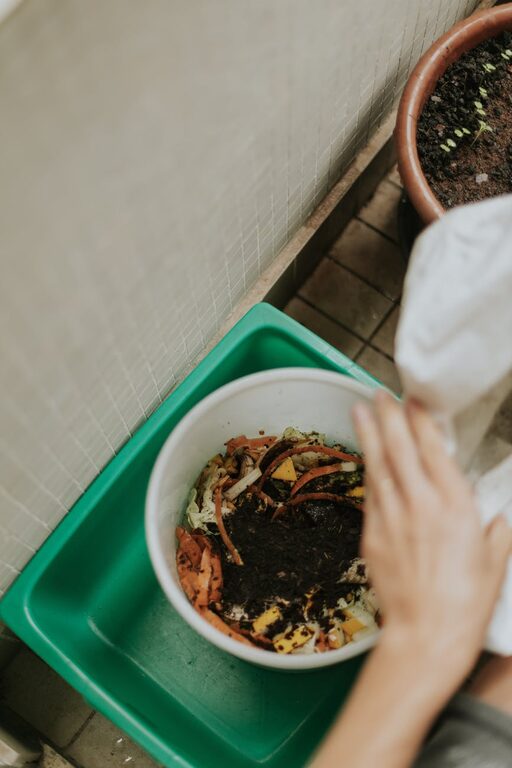
Composting at home is a simple and effective way to reduce household waste, enrich your garden soil, and contribute to a healthier planet. If you’re new to composting, it might seem a bit overwhelming at first, but with some basic tips and a little practice, you can create your own nutrient-rich compost in no time. In this post, we’ll guide you through beginner-friendly steps to start composting right in your backyard or even in small spaces.
What Is Composting?
Composting is the natural process of breaking down organic materials like food scraps and yard waste into a rich, dark soil amendment called compost. This process is powered by microorganisms that decompose the waste, turning it into valuable nutrients that plants love.
Why Compost at Home?
– Reduces waste: Composting diverts food scraps and yard waste from landfills, cutting down on methane emissions.
– Improves soil: Compost enriches garden soil, promotes healthy plant growth, and improves water retention.
– Saves money: By creating your own fertilizer, you can reduce or eliminate the need for chemical fertilizers.
– Supports sustainability: Composting contributes to a more eco-friendly lifestyle by closing the nutrient loop.
Getting Started: What You Need
Choose a Composting Method
There are a few ways to compost at home, so pick the one that fits your lifestyle and space:
– Traditional compost pile: Ideal if you have a large backyard.
– Compost bin: A contained unit that helps keep pests out, available in various sizes.
– Tumbler composters: Easy to turn and faster to compost, perfect for small spaces.
– Ver composting: Using worms to break down scraps, great for indoor composting.
Gather Your Materials
Successful composting requires balancing two types of materials:
– Green materials (Nitrogen-rich): fruit and vegetable scraps, coffee grounds, grass clippings, fresh leaves.
– Brown materials (Carbon-rich): dry leaves, straw, shredded newspaper, cardboard.
A good rule of thumb is to combine roughly 2 to 3 parts brown materials to 1 part green materials for balanced decomposition.
Select a Location
Place your compost bin or pile in a spot that:
– Is convenient to access.
– Has good drainage.
– Receives partial sunlight to help maintain warmth.
Step-by-Step Composting Tips for Beginners
1. Prepare Your Composting Container
Whether using a bin or an open pile, start with a container or designated area. If you have a bin, ensure it has ventilation holes for airflow.
2. Start Layering
Begin your compost with a layer of coarse brown materials like straw or small branches to facilitate airflow. Next, add alternating layers of green and brown materials.
3. Chop or Shred Larger Items
Cutting food scraps and yard waste into smaller pieces speeds up decomposition. For example, chop vegetable scraps or shred cardboard before adding them to your pile.
4. Maintain Moisture
Your compost should be about as damp as a wrung-out sponge. If it feels dry, add water or green materials; if too wet, add brown materials to absorb excess moisture.
5. Turn or Mix Your Compost Regularly
Turning your compost with a garden fork or turning handle aerates the pile, speeding up decomposition and preventing odor. Aim to turn every one to two weeks.
6. Monitor Temperature
A hot compost pile (between 130–160°F) breaks down materials faster and kills pathogens. If your compost isn’t heating up, it may need more green materials or turning.
7. Avoid Adding These Items
For best results and to keep pests away, avoid adding:
– Meat, dairy, and oily foods.
– Diseased plants.
– Pet waste.
– Invasive weeds with seeds.
8. Be Patient
Composting can take anywhere from a few weeks to several months depending on conditions. Finished compost looks dark, crumbly, and smells earthy.
Troubleshooting Common Compost Issues
| Issue | Cause | Solution |
|———————-|——————————–|————————————-|
| Smelly compost | Too wet or too much green waste | Add more brown materials, turn pile |
| Compost not heating | Lack of nitrogen or aeration | Add green materials, turn compost |
| Attracting pests | Food scraps like meat or dairy | Avoid these items, use covered bin |
| Compost too dry | No moisture | Add water and green materials |
How to Use Your Finished Compost
Once your compost is ready, use it to:
– Mix into garden beds to improve soil structure.
– Topdress lawns for healthier grass.
– Nourish potted plants by blending with potting soil.
– Mulch around trees and shrubs to retain moisture.
Final Thoughts
Starting composting at home is easier than you might think. By following these beginner tips, you can reduce waste, improve your garden, and enjoy the satisfaction of creating nutrient-rich soil from everyday scraps. Remember, composting is a learning process, so don’t worry about getting it perfect right away. The most important step is to start!
Happy composting!