
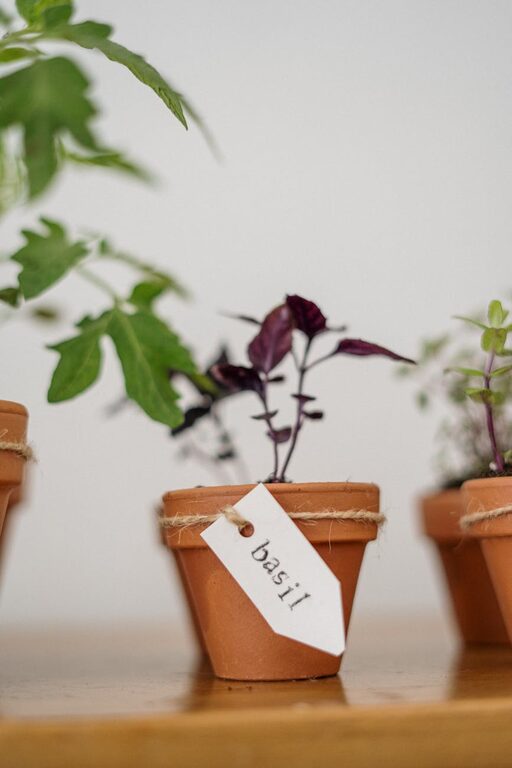
Starting a small herb garden indoors is a wonderful way to bring fresh flavors and a touch of greenery into your home. Whether you have limited outdoor space or just want fresh herbs at your fingertips, growing herbs indoors is easier than you might think. In this guide, we’ll walk you through everything you need to know to start your indoor herb garden successfully.
Why Grow Herbs Indoors?
Growing herbs indoors offers many benefits:
– Freshness: Use fresh herbs right when you need them for cooking.
– Convenience: No need to run to the store or garden outside.
– Aesthetics: Herbs add beauty and a pleasant aroma to your living space.
– Learning: It’s a fun, rewarding way to learn about plants and gardening.
Choosing the Right Herbs for Indoor Growing
Not all herbs thrive indoors, so it’s essential to pick varieties suited for indoor conditions. Here are some popular herbs that do well inside:
– Basil: Loves warmth and sunlight; ideal for sunny windows.
– Parsley: Grows well in moderate light and has a mild flavor.
– Thyme: Prefers bright light and well-draining soil.
– Chives: Adaptable and tolerant of less sunlight.
– Mint: A hardy herb; keep it contained as it can spread quickly.
– Cilantro: Grows well indoors if given enough light and moisture.
– Oregano: Needs lots of sun and well-drained soil.
Supplies You’ll Need
Before getting started, gather these materials:
– Containers: Pots with drainage holes are best.
– Potting mix: Use a high-quality, well-draining potting soil designed for herbs or vegetables.
– Seeds or starter plants: Beginners might find starter plants easier to manage.
– Watering can: A small one is handy for regular watering.
– Labels: To remember which herb is which.
– Grow light (optional): Helps provide extra light if your home is dim.
Step-by-Step Guide to Planting Your Indoor Herb Garden
1. Pick the Location
Herbs generally need 6-8 hours of sunlight per day. A south-facing window is usually the best spot. If natural light is limited, consider using grow lights to supplement.
2. Prepare Your Containers
Fill pots with potting mix, leaving about an inch of space at the top. Ensure your pots have drainage holes to prevent waterlogging.
3. Plant Your Herbs
– From seeds: Follow the packet instructions for planting depth and spacing.
– From starter plants: Gently remove them from their nursery containers, loosen the roots, and plant them at the same soil level in your pots.
4. Water Properly
Water the soil thoroughly but avoid overwatering. Let the soil dry slightly between watering sessions. Overwatering can cause root rot.
5. Provide Adequate Light
Place your pots in the selected location and rotate them weekly for even growth. If using grow lights, keep them on for about 12-16 hours daily.
6. Maintain Your Garden
Regularly prune herbs with scissors to encourage bushier growth and prevent them from flowering too early, which can affect flavor.
Tips for Successful Indoor Herb Gardening
– Use quality soil: Herbs need nutrient-rich, well-draining soil.
– Monitor humidity: Some herbs prefer higher humidity; misting or placing a tray of water nearby can help.
– Avoid cold drafts: Keep your herbs away from air vents and drafty windows.
– Feed occasionally: Use a diluted, balanced liquid fertilizer once a month.
– Watch for pests: Keep an eye out for common indoor pests like aphids and spider mites.
Harvesting Your Indoor Herbs
Harvest herbs regularly to encourage new growth. The best time to pick leaves is in the morning when their oils are most concentrated. Use scissors to snip off leaves or stems just above a leaf node to keep the plant healthy.
Common Challenges and Solutions
| Challenge | Solution |
|—————————|————————————|
| Yellowing leaves | Usually from overwatering; check soil moisture. |
| Leggy, spindly growth | Insufficient light; add grow lights or move to sunnier spot. |
| Pests like aphids | Wipe leaves with mild soap and water; increase air circulation. |
| Mold or fungus on soil | Reduce watering; improve drainage and airflow. |
Final Thoughts
Starting a small herb garden indoors is a rewarding and practical project. With minimal equipment and regular care, you’ll enjoy fresh herbs all year round. Plus, nurturing plants brightens up your home and adds a sense of calm. So, pick your favorite herbs, find a sunny spot, and start planting today!
Happy gardening!