
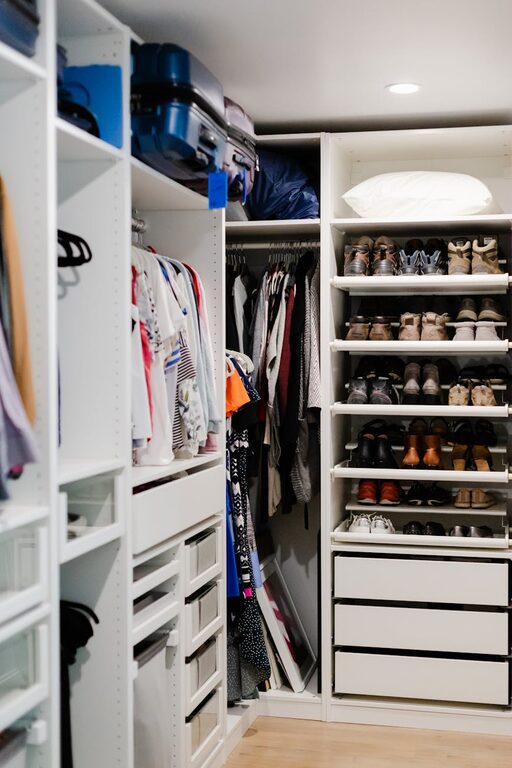
Storing seasonal clothes efficiently can save you space, keep your wardrobe organized, and protect your garments from damage. Whether you’re packing away winter coats or summer dresses, having a thoughtful system makes switching wardrobes smoother and your closet clutter-free. In this post, we’ll explore practical tips and storage ideas to help you manage your seasonal clothing with ease.
Why Efficient Seasonal Clothing Storage Matters
Clothing takes up a lot of space, especially when different seasons bring different needs. Without an organized system, clothes can get wrinkled, stained, or even attract pests. Efficient storage helps:
– Maximize closet and storage space
– Protect clothes from dust, moisture, and insects
– Make it easier to find what you need when seasons change
– Extend the lifespan of your garments
Preparing Your Clothes for Storage
Before storing clothes away, it’s important to prepare them properly. Follow these steps to keep your seasonal clothes fresh and ready to wear:
1. Clean Everything
Always wash or dry-clean clothes before storing. Dirt, oils, and stains can set over time and attract moths or cause mildew.
2. Repair Damage
Check for loose buttons, broken zippers, or small tears and mend them to avoid worsening damage during storage.
3. Dry Thoroughly
Make sure all clothes are completely dry to prevent mold and mildew growth. Avoid storing damp clothes under any circumstances.
4. Sort by Type and Weight
Group winter items, like heavy sweaters and coats, separately from lighter spring and summer pieces. This helps with packing and retrieval.
Choosing the Right Storage Containers
Selecting the right containers can make a big difference in how well your clothes are preserved and how easy it is to access them later.
Soft Storage Bags
Ideal for delicate fabrics and knits, soft bags are breathable and reduce creasing. Choose cotton or linen bags rather than plastic.
Clear Plastic Bins
These keep clothes protected from moisture and pests. Using clear bins lets you see what’s inside without opening them. If you use plastic, add moisture absorbers like silica gel packets.
Vacuum-Sealed Bags
Great for bulky items like down jackets or blankets, vacuum bags reduce volume dramatically. However, don’t store natural fibers like wool in them for very long, as lack of airflow can cause damage.
Hanging Garment Bags
For coats or dresses that are prone to wrinkling, hanging bags keep them upright and clean. Use slim, sturdy hangers to avoid stretching.
Label Everything
No matter which container you choose, label it clearly. Include the type of clothing and season. This saves time and frustration later.
Best Practices for Storing Seasonal Clothes
Find the Right Location
Store seasonal clothes in cool, dry, and dark places. Avoid attics or basements that can be hot, cold, or humid.
Use Cedar or Lavender
To deter moths, add natural repellents such as cedar blocks or lavender sachets inside your storage containers.
Don’t Overpack
Allow your clothes some breathing space so they don’t get crushed or develop creases. Overstuffed bins encourage wrinkles and damage.
Rotate Seasonally
Have a set day to swap out clothes each season. This helps you check on stored items periodically and catch any issues early.
Keep Frequently Used Items Accessible
If you store off-season clothes in your closet, place them on higher shelves or less accessible areas and keep current-season items front and center.
Additional Tips to Maximize Closet Space
– Use shelf dividers to keep stacks of folded clothes neat
– Install hooks or hanging organizers for accessories and scarves
– Invest in multi-tiered hangers to hang several items vertically
– Consider under-bed storage for bulky items like ski wear or boots
Caring for Special Fabrics
Different fabrics require specific care before storage:
– Wool and Cashmere: Clean and store in breathable bags with moth repellents
– Leather: Condition before storing and keep in a cool place away from plastic bags
– Silk and Linen: Dry clean and store flat if possible to avoid wrinkles
– Down Jackets: Use vacuum bags or breathable garment bags and fluff before storing
Final Thoughts
Efficiently storing your seasonal clothes is all about preparation, good storage choices, and routine maintenance. By following these tips, you’ll keep your wardrobe organized, protected, and ready for every season with minimal effort. Start small with a few pieces and build a system that works for your space and lifestyle.
Happy organizing!